Most people assume ‘more protein’ is the immediate answer — but start with timing and balance
Good vegan workout nutrition begins with a simple rule: before exercise favor easily digestible carbohydrates with a bit of protein; after exercise prioritize carbs plus a reliable source of protein to rebuild muscle and replenish glycogen. If you need one sentence: pre-workout = carbs + small protein, post-workout = carbs + 20–30 g protein. That balance supports energy, performance and recovery across most sessions.
Why this pattern works and when to change it
Carbohydrates are your quickest fuel for moderate to high intensity training; protein provides amino acids needed for repair. Eating carbs before a workout tops up blood sugar and helps you sustain intensity. After training, combining carbs with protein increases muscle protein synthesis and restores glycogen faster than carbs alone.
Adjustments: very long endurance sessions (over 90 minutes) need more carbs during and after; short, low-intensity sessions may only need a small snack or nothing at all. If you train fasted and feel lightheaded, add a 150–250 calorie carbohydrate snack before starting.
Practical timing and portions
Timing depends on how quickly you digest. Aim for a small meal 1.5–3 hours before exercise or a light snack 20–60 minutes before if you have a sensitive stomach.
- 1.5–3 hours before: 300–600 kcal with a 3:1 to 4:1 carb:protein emphasis for most people (example: bowl of oats with banana and a scoop of plant protein).
- 20–60 minutes before: 150–250 kcal mostly carbs with a little protein (example: toast with jam and a smear of nut butter, or a banana).
- Within 30–90 minutes after: 20–30 g protein plus 0.5–1 g/kg body weight of carbs when the session was long or intense; otherwise 20–30 g protein and some carbs is fine.
Concrete pre-workout vegan meals and snacks
Choose based on time before training and personal tolerance.
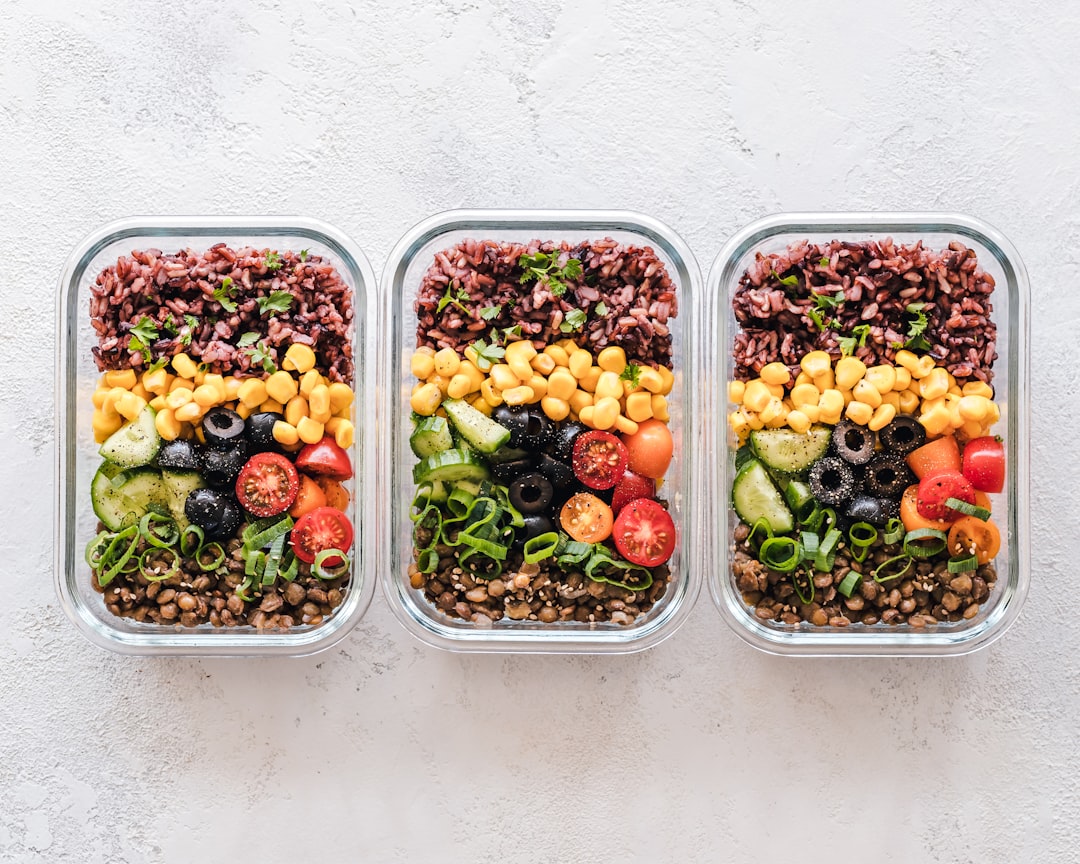
- 2–3 hours before (full meal): Oats with soy or pea protein stirred in, banana, and a handful of nuts; or quinoa bowl with roasted sweet potato and tempeh.
- 30–60 minutes before (light snack): Banana with a teaspoon of almond butter; a slice of whole-grain toast with jam; rice cakes with fruit spread.
- If you train very early: a small smoothie (banana, spinach, plant protein, water) is gentle and fast.
Post-workout: what to eat to recover
After a workout your priority is providing protein and carbs that your body can use quickly. For most vegans, 20–30 g of high-quality plant protein works well; combine it with a carbohydrate source like fruit, rice, oats, or a sandwich.
- Quick option (within 30–60 minutes): Plant-based protein shake plus a banana or rice cakes.
- Meal option (1–2 hours post): Chickpea and quinoa bowl with roasted veggies; tofu stir-fry with brown rice.
- For endurance sessions: add more carbs—pasta with lentil-based sauce or a smoothie with oats and fruit.
Supplements and single-product option that help
Whole foods are sufficient for many people, but an easy vegan protein powder can simplify reaching 20–30 g post-workout, especially on busy days or after long sessions. If you dislike making shakes, a ready-to-use protein meal replacement is handy.
For convenience and broad use, consider a plant-based protein powder that mixes well and provides a complete amino-acid profile.
Other supplements to consider depending on your needs: vegan B12 (for general health), creatine (for strength-focused athletes), and algae omega-3s. Check product categories under Vegan Sports Nutrition Supplements and Vegan Mineral Supplements for options.
Special situations and exceptions
- Weight loss goals: keep pre-workout snacks smaller and slightly lower in carbs if you need a calorie deficit, but still include some protein to protect muscle.
- Digestive sensitivity: avoid high-fiber or high-fat meals within an hour of training; choose simple carbs like white rice, banana, or rice cakes.
- Late-night training: a small recovery snack with protein and carbs is enough—large meals close to bedtime can disrupt sleep for some people.
Putting it into practice: two one-day examples
Strength session at midday: Breakfast moderate carbs + protein (oatmeal + pea protein), small pre-workout snack 45 minutes before (banana), post-workout shake (20–30 g plant protein) and a chickpea salad meal 1–2 hours later.
Evening long run: Pre-run light carb snack 30 minutes prior (toast + jam), during-run fuel (dates or sports drink if >60–90 minutes), post-run meal with higher carbs and protein (pasta with lentil bolognese).
For ongoing planning, read a complete routine overview in The Beginner’s Guide to Building a Healthy Vegan Fitness Routine to align meals with training frequency and goals.
- Decide if the session needs a full meal or light snack based on duration/intensity.
- Pack a quick carb option (banana, rice cakes, dates) for easy access.
- Have a reliable plant protein powder or meal ready for post-workout recovery.
- Avoid high-fiber or high-fat meals within an hour before hard training.
- Track how different pre-workout foods affect your energy and digestion.
Focus on carbs before exercise for energy and combine carbs with 20–30 g of plant protein afterward to support recovery. Tailor portions and timing by workout length, personal digestion, and daily calories.
How much protein do vegans need after a workout?
A practical target is 20–30 g of high-quality plant protein post-workout; increase slightly for larger athletes or very intense sessions.
Can I use only whole foods instead of protein powder?
Yes—tempeh, tofu, lentils, and seitan provide good protein, but powders are convenient when you need a quick post-workout option.
What if I train first thing in the morning?
Opt for a small, easy-to-digest carb snack (banana or small smoothie) if you need energy; prioritize a fuller recovery meal after the session.
Are BCAAs necessary on a vegan diet?
Most people who meet daily protein needs don’t need standalone BCAAs; a complete plant protein or EAA supplement can be useful for those with limited protein variety.
Should endurance athletes eat differently than strength athletes?
Endurance athletes need more total carbs during and after long sessions. Strength athletes emphasize higher protein relative to carbs for muscle building and maintenance.