Small misconception: vegan doesn’t mean low-protein
Many people assume a vegan plate automatically lacks protein, but choosing certain ingredients makes it easy to meet daily needs without extra meals or complicated recipes. This list focuses on reliable, versatile high-protein vegan foods you can add to breakfasts, lunches, snacks and dinners, with serving examples and time-saving swaps.
High-protein vegan foods: 15 options that fit daily meals
Below are 15 distinct foods, why each earns a place, typical portions that actually deliver meaningful protein, and simple ways to use them without adding extra hassle.
- Lentils — 1 cup cooked ≈ 18 g protein. Cheap, fast (25–30 minutes) and forgiving: batch-cook a pot for soups, salads or curries.
- Chickpeas — 1 cup cooked ≈ 15 g protein. Use in hummus, roasted for snacks, or canned for quick salads.
- Black beans — 1 cup cooked ≈ 15 g protein. Great in grain bowls, tacos or blended into burgers for texture and fiber.
- Tempeh — 100 g ≈ 19 g protein. Fermented soy with a meaty bite; slice and marinate for stir-fries, sandwiches or crumbled into sauces.
- Tofu — 100 g ≈ 8–12 g protein (firm). Press and pan-fry or cube into soups; silken tofu is excellent in smoothies and desserts.
- Edamame — 1 cup shelled ≈ 17 g protein. Steam and toss with salt for a snack or add to salads and fried rice.
- Seitan — 100 g ≈ 25 g protein. Wheat gluten is dense in protein and mimics meat textures; use in stews, sandwiches or kebabs if you tolerate gluten.
- Quinoa — 1 cup cooked ≈ 8 g protein. A complete grain useful as a salad base or breakfast porridge; pair with beans for a fuller amino-acid profile.
- Oats — 1 cup cooked ≈ 6 g protein. Make overnight oats with nut butter and seeds to boost protein at breakfast.
- Hemp seeds — 3 tbsp ≈ 10 g protein. Mild flavor and easy to sprinkle on smoothies, yogurt alternatives or salads.
- Chia seeds — 2 tbsp ≈ 4–5 g protein. Good for puddings and thickening smoothies; combine with hemp for a more balanced snack.
- Peanut butter (or other nut butter) — 2 tbsp ≈ 7–8 g protein. Quick calorie- and protein-dense option—spread on toast, stir into oats or blend into smoothies.
- Almonds — 1/4 cup ≈ 6 g protein. Keep a jar nearby for snacks, or use almond butter as an easy spread.
- Green peas — 1 cup ≈ 8–9 g protein. Often overlooked; toss into pastas, soups or mash as a side.
- Nutritional yeast — 2 tbsp ≈ 8 g protein. Use as a savory topping on popcorn, pasta and sauces to add both flavor and protein.
How to combine rather than complicate
Focus on pairing complementary items across meals: beans + grains, seeds + oats, or tofu/tempeh with vegetables. That gives you both enough total protein and a better amino-acid mix without precise tracking. Keep one or two “go-to” combinations you enjoy and rotate them.
When a protein powder makes sense (and one to try)
If you need a quick post-workout option or a reliable breakfast on rushed mornings, a plant-based protein powder is a legitimate convenience tool—use it to top up intake, not replace meals. For an option that fits most routines, consider a chocolate or vanilla blend you can stir into non-dairy milk or smoothies.
Pair a scoop with fruit, oats or a spoon of nut butter for a balanced shake. If you prefer whole-food first, reserve powder for travel days, training sessions or busy mornings.
Simple meal examples using these foods
- Breakfast: Overnight oats with hemp seeds, peanut butter and a scoop of protein powder on busy days.
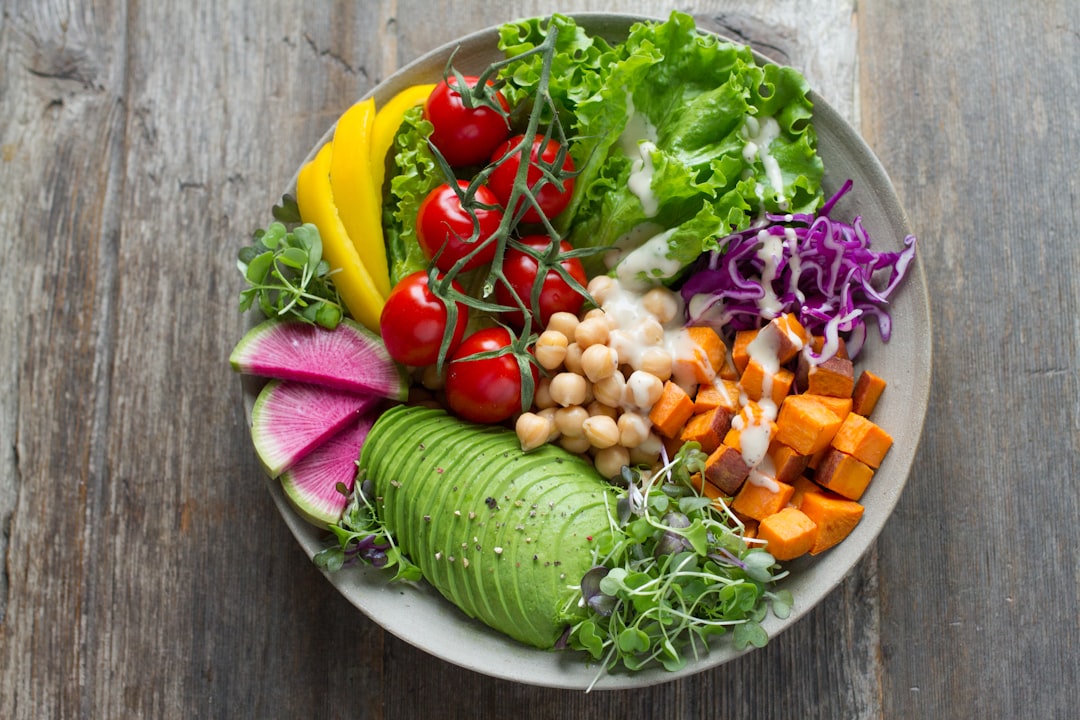
- Lunch: Quinoa bowl with roasted chickpeas, greens, avocado and nutritional yeast.
- Snack: Edamame or apple with almond butter.
- Dinner: Stir-fried tempeh or tofu with mixed vegetables and brown rice; add green peas for extra protein.
For planning help without overcomplicating your week, see this practical guide on getting enough protein on a vegan diet. If you lean on powders more regularly, our vegan protein powder collection can help you compare options.
Wrap-up: how to add these foods without adding steps
Pick 3–5 favorites from the list—one protein for breakfast, one for lunch and one for snacks/dinner—then buy a couple of convenience forms (canned beans, pre-pressed tofu, or a protein powder). Rotate simple combos and use seeds or nutritional yeast as small, high-impact additions.
- Choose three staple proteins you enjoy (one soy/tempeh, one legume, one seed/nut).
- Buy at least two convenience forms (canned beans, pre-cooked lentils, or tofu packs).
- Keep hemp or chia seeds and a jar of nut butter for easy boosts.
- Reserve a plant protein powder for travel or post-workout top-ups.
- Batch-cook one grain (quinoa or rice) and one legume each week.
Focusing on a short list of high-protein vegan foods makes meeting protein goals simple: combine legumes, soy/seitan, grains and seeds across meals, use a powder selectively, and keep convenience formats on hand for busy days.
[AZAM_FAQ_ITEM question=”How much protein