Start by narrowing what matters (and what you can ignore)
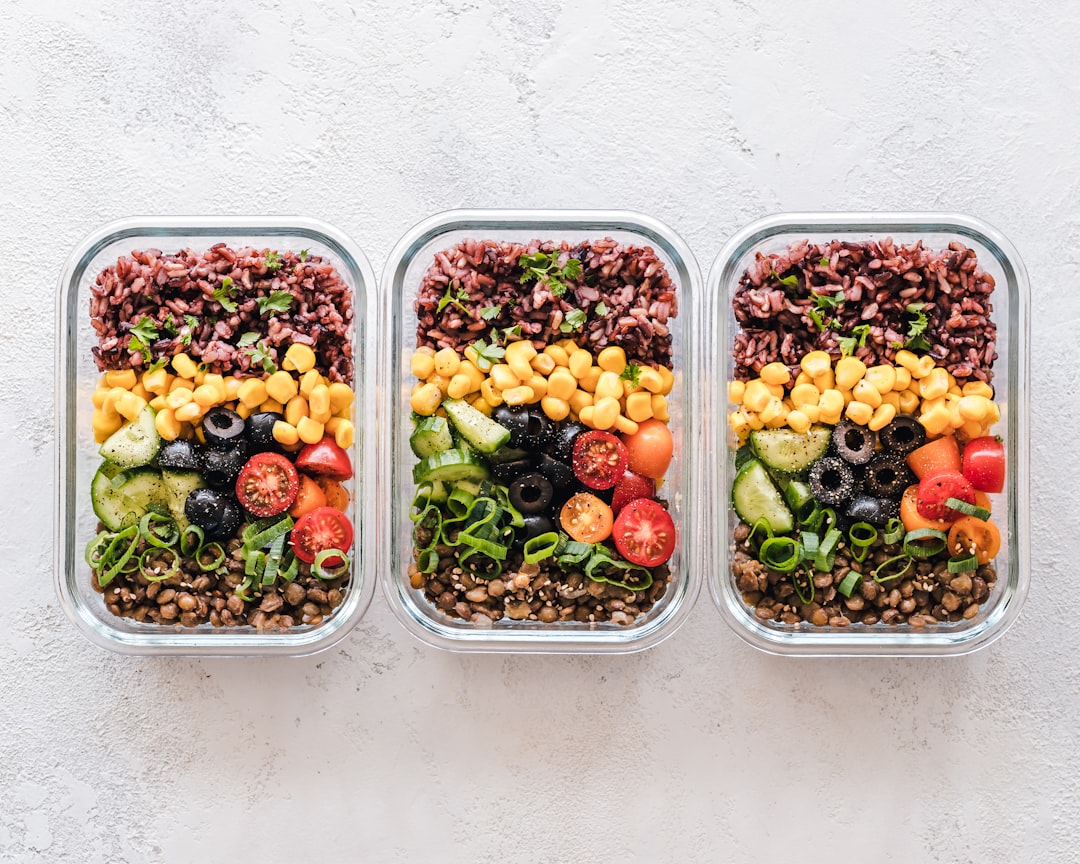
Vegan meal prep succeeds when you do a few high-impact things well and stop trying to perfect every meal. Focus on a handful of reliable staples—grains, legumes, a couple of roasted veggies, and one or two simple sauces—and on storage that makes grabbing food easy. You can safely ignore one-off gourmet recipes, perfectionist portioning, and buying an appliance for a single purpose.
Vegan meal prep: what to prioritize and ignore
- Prioritize: batch-cookable bases (rice, quinoa, oats), two protein sources (lentils, tofu, tempeh), versatile sauces, and good containers.
- Ignore: making different lunches every day, elaborate plating for leftovers, or buying exotic ingredients for weekday meals.
- Keep it flexible: prep components not fixed meals—this increases variety and reduces waste.
Pick three templates you can rotate all week
Templates reduce decision fatigue. Choose one for lunch, one for dinner and one for breakfast/snacks. Examples:
- Grain bowl template: base (brown rice/quinoa) + protein (roasted chickpeas or tofu) + veg + sauce.
- Salad jar template: layered mason jar with dressing on bottom, hearty veggies, greens on top.
- One-pot dinner template: sheet-pan roasted vegetables + marinated tempeh, or chili you can reheat.
Batch-cook smart: grains, legumes and multi-use proteins
Cook big batches of two grains and two legumes at the start of the week. For example: brown rice and quinoa; lentils and black beans. These reheat well, freeze acceptably, and mix into different meals. If you use the oven for roasting, roast two pans at once—one sweet (carrots, squash) and one savory (broccoli, peppers)—so they work in both bowls and wraps.
When choosing proteins, aim for variety in texture: soft lentils for stews, crispy baked tofu for bowls, and smoky tempeh for sandwiches. If protein tracking matters, see our guide to 15 high-protein vegan foods and plan portions from those lists.
Quick sauces and dressings that transform everything
One or two small jars of sauce make repeated meals feel different. Essentials: a tahini-lemon dressing, a simple vinaigrette, and a spicy peanut sauce. They last 4–7 days refrigerated and can flavor tofu, salads and grain bowls.
Containers, portions and the one product that usually helps
Good containers change the experience: clear, stackable, leakproof, and the right size for your templates. If you mostly eat at work or on the go, disposable kraft-style bowls with lids are a practical, time-saving option that avoid washing when life is busiest.
Use containers that match your eating habits: microwave-safe glass for reheating, mason jars for salads, and disposable kraft bowls for easy office lunches.
Pack a week’s realistic schedule, not a perfect menu
Plan by time-blocks rather than exact dinners: “Monday — 15-minute reheats; Tuesday — 20-minute sheet-pan; Wednesday — leftovers.” That way you prep more and over-plan less. Use labeled containers with the date and the intended meal (bowls vs. reheats) so family members can find what they need.
Breakfasts and snacks that actually travel
Prep overnight oats or chia pudding in mason jars for 3–4 mornings. Portion nuts, cut fruit, and hummus + carrot sticks into small grab bags. Keep a smoothie pack (frozen fruit + spinach + scoop of vegan protein) in the freezer so mornings are literally a 60‑second blender job. For ideas on protein powders, our protein powder guide can help choose one that mixes well and fits your macros.
Reheating, freezing and shelf life rules to avoid mistakes
- Most cooked grains and legumes: 4–5 days refrigerated, or freeze in single portions for 2–3 months.
- Roasted vegetables: best within 3–4 days; they can soften but are still tasty in soups and tacos.
- Sauces: 4–7 days refrigerated; freeze in ice cube trays for single-serving thawing.
Sample minimal shopping list for a busy week (6–8 meals)
- 2 cups dry brown rice or quinoa, 1 cup dry lentils, 1 can black beans
- 1 block tofu, 1 pack tempeh or extra chickpeas
- 3–4 seasonal vegetables (broccoli, carrots, peppers), 1 head greens
- Tahini, soy sauce, lemon, olive oil, peanut butter
- Oats, chia seeds, a fruit selection for breakfasts/snacks
When to invest a little more time each week
If you want more variety, spend an extra 30–45 minutes midweek: make a batch of a different sauce, roast another pan of vegetables, or marinate tofu for a new texture. That small midweek session often doubles the perceived variety without a big time commitment.
- Choose three meal templates you’ll repeat all week.
- Batch-cook two grains and two legumes on day one.
- Make one or two versatile sauces in jars.
- Pick containers that match reheating or grab-and-go needs.
- Label date and meal type on containers to reduce confusion.
Focus on repeating a few simple templates, batch-cook staples, and use containers that suit how you eat. That combination saves time, keeps meals varied, and makes vegan meal prep sustainable even during the busiest week.
Cooked grains and legumes usually last 4–