Start with the result: what a balanced vegan meal looks like
What matters most is practical: a balanced vegan meal supplies enough protein to maintain and build muscle, steady-digesting carbohydrates for sustained energy, and some healthy fat plus vegetables for micronutrients. You can safely ignore strict calorie counting or trendy “superfoods” at first—focus on plate composition and consistent protein at each meal.
How to build a balanced vegan meal
A simple visual rule works well: roughly 30–40% of the plate protein, 30–40% carbohydrate (preferably whole/complex), and the rest vegetables and healthy fats. For many people that becomes about 20–40 g protein, 40–60 g carbs, and 10–18 g fat per main meal, but use the plate rule rather than exact math unless you have specific calorie or training goals.
Choose your protein first
Protein is the anchor for energy and fitness. Good plant sources: lentils, chickpeas, black beans, tofu, tempeh, edamame, seitan, and concentrated sources like quinoa, hemp, or pea protein powder. Aim for a palm-sized portion of concentrated protein (about 100–150 g cooked tofu/tempeh or 1–1.5 cups legumes) or one serving of protein powder when a solid food option isn’t available.
Why it matters: protein slows digestion slightly, supports muscle repair, and keeps you full so energy doesn’t crash mid-afternoon.
Pick carbs that release energy steadily
Choose minimally processed carbohydrates: oats, sweet potato, brown rice, quinoa, whole-grain bread, or starchy legumes. Pairing these with protein and some fiber-rich vegetables flattens blood-sugar spikes. For workouts under 60 minutes, prioritize a mix with more carbs; for long sessions, shift carbs slightly higher.
Add healthy fats and vegetables
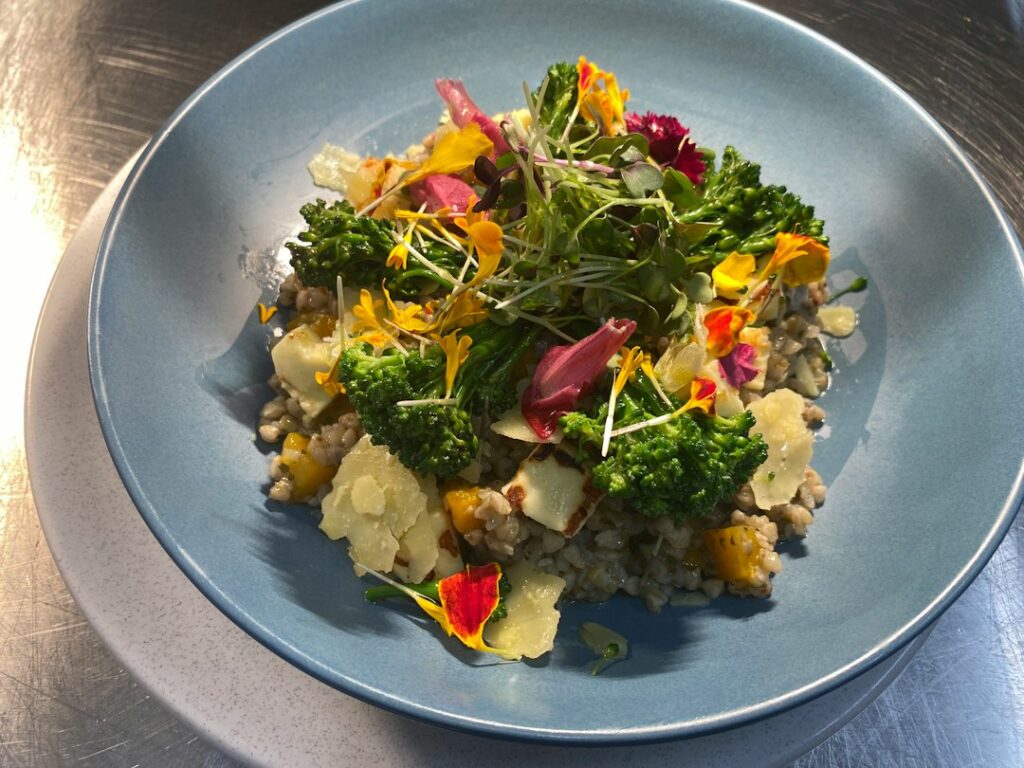
Include a thumb-sized portion of fat: a tablespoon of olive oil, a small handful of nuts, a quarter of an avocado, or a sprinkle of seeds. Vegetables should fill at least 25–30% of the plate—leafy greens, bell peppers, tomatoes, and cruciferous veg add fiber and micronutrients without heavy calories.
Meal timing and practical examples for energy and workouts
When you eat interacts with what you eat. For general energy across the day: eat balanced meals every 3–5 hours. For workouts:
- Pre-workout (60–90 minutes): small mixed meal with carbs and some protein—e.g., banana + 1 scoop pea protein or toast with peanut butter and fruit.
- Post-workout (within 60 minutes): prioritize protein + carbs to kick-start recovery—e.g., tempeh stir-fry with rice or a green smoothie with protein powder and oats.
See more detailed timing advice in our guide on what to eat before and after a workout.
Three quick balanced meal templates
- Lunch bowl: 1 cup cooked quinoa, 1 cup roasted chickpeas, 2 cups mixed greens, 1 tbsp olive oil + lemon.
- Dinner plate: 150 g tempeh, 1 medium baked sweet potato, steamed broccoli, drizzle tahini (1 tbsp).
- On-the-go option: smoothie with 1 scoop vegan protein, 1 banana, ½ cup oats, 1 tbsp almond butter, handful spinach.
Troubleshooting and simple adaptations
Low energy during the day? Check portion sizes of carbs and meal spacing first. If you’re sore or not recovering, increase protein slightly at meals and add a post-workout snack with both carbs and protein.
Digestive issues with beans? Use canned legumes rinsed well, or start with smaller portions and add enzyme-friendly practices (soaking, thorough cooking). If you prefer lower FODMAP, use firm tofu, tempeh and quinoa as proteins.

When a product can help
If you need a quick reliable protein boost—travel, busy days, or post-workout—consider a clean vegan protein powder that mixes well and has minimal additives. It’s not mandatory, but convenient.
Use protein powder to top up meals (add to smoothies, oats or plant-milk) rather than as your only protein source whenever possible. For more on choosing one, read our vegan protein powder guide.
Special cases: weight loss, endurance training, or muscle gain
Adjust plate ratios to match goals: for weight loss, reduce starchy carbs slightly and keep protein high to preserve muscle; for endurance, increase carbs especially around long training sessions; for hypertrophy, increase overall calories with extra protein and carbs across the day.
Small habits that make balanced meals stick
- Prep one protein and one carb in bulk each weekend (e.g., baked tempeh, roasted sweet potatoes).
- Keep simple salad/veg mixes and a jarred dressing on hand to add fiber quickly.
- Portion protein visually (palm-sized) until you learn your needs.
- Include a concentrated plant protein at every main meal (tofu, legumes, tempeh, seitan, or protein powder).
- Choose whole/complex carbs to cover energy needs (quinoa, oats, sweet potato).
- Add a small serving of healthy fat (nuts, seeds, olive oil, avocado).
- Fill at least 25% of the plate with non-starchy vegetables.
- Time a small carb+protein snack 30–60 minutes after tough workouts.
- Batch-cook one protein and one carb weekly to make balanced meals effortless.
Build plates around a reliable protein source, pair it with whole carbs and a modest amount of healthy fat, and include plenty of vegetables. Use simple timing rules around workouts and a touch of batch cooking to keep energy steady and support fitness goals.
How much protein should I aim for at each vegan meal?
A practical target is 20–40 g protein per main meal for active adults; aim for a palm-sized concentrated protein portion or a quality scoop of vegan protein powder when needed.
Can I get enough nutrients without supplements?
Most micronutrients come from varied whole foods, but vegans should monitor B12 and consider a supplement; iron and omega-3s deserve attention if intake is low—see our supplements guide for details.
What’s an easy post-workout vegan meal?
Tempeh or tofu with rice and steamed greens or a smoothie with vegan protein, banana and oats both give fast carbs plus protein for recovery.
Are meal replacement shakes a good daily solution?
They can be convenient occasionally, but whole-food meals offer better satiety and micronutrients; use meal replacements when time or logistics demand it.
How do I adapt meals for weight loss?
Keep protein high, slightly reduce starchy carbs, focus on volume from vegetables, and track portions for a few weeks to find a sustainable deficit.