What this will get you
Many people assume thirst is the best signal to drink, but that misses key timing and electrolyte needs. Follow the steps below and you’ll leave workouts with better performance and faster recovery by balancing fluid and key minerals before, during, and after exercise.
Hydration for exercise: before, during, after
Use the three short plans below as your working playbook. Start with a baseline habit, use a simple sip schedule when you train, and finish by replacing losses measured from a quick weigh-in. Each section has practical numbers and quick rules so you can act without complex equipment.
Before: build a hydrated starting point
- Daily baseline: drink regularly through the day so urine is pale straw-colored. This reduces the amount you need immediately before a session.
- 2–4 hours before exercise: aim for roughly 5–7 ml per kg body weight (e.g., 70 kg → 350–490 ml) to top up fluids.
- 20–30 minutes before: take 150–300 ml (a few sips) to ensure gastric comfort; avoid large volumes just before intense activity to prevent sloshing or nausea.
- Include a small sodium-containing snack or a sports drink if you expect heavy sweating or long sessions—this helps retain fluid.
Practical gear note: carry a reliable bottle you’ll actually use; a good insulated bottle with a push-button lid makes sipping convenient. Browse options in our Hydration & Water Bottles collection.
During: sip to match sweat and workload
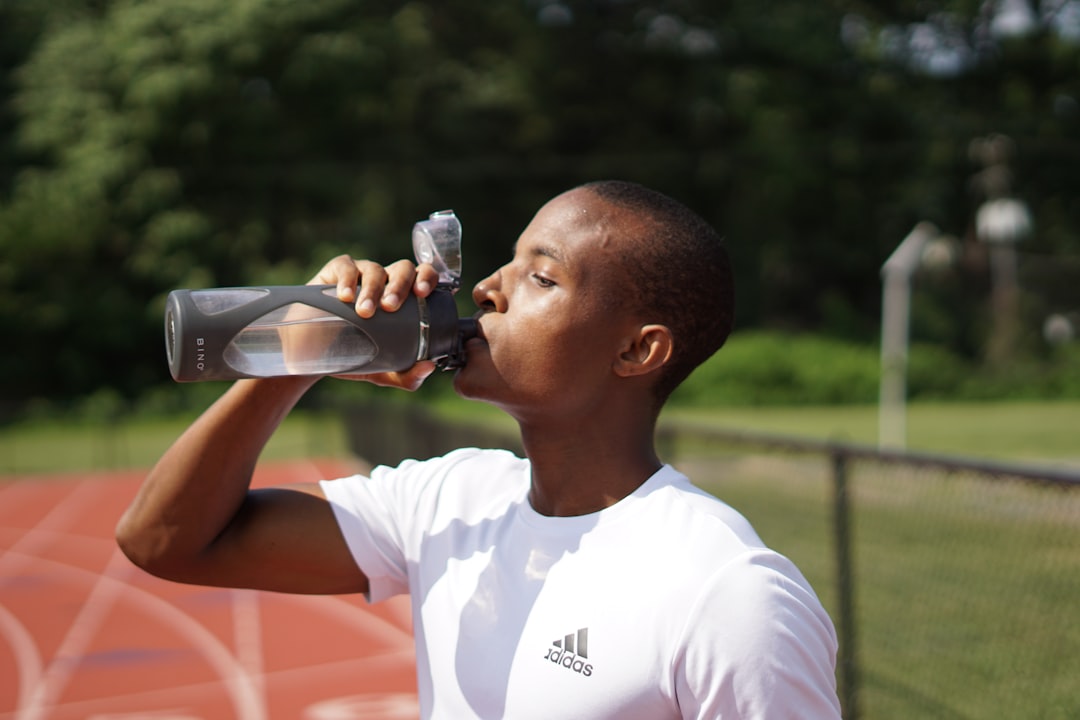
Sip early, often, and in small amounts. The aim is to limit body-mass loss to roughly 0.5–1.0% per hour for most training; higher losses increase fatigue and slow recovery.
- Short sessions under 45–60 minutes: plain water is usually fine if intensity is moderate.
- Sessions longer than 60–90 minutes, or very hot/humid conditions: use a drink with electrolytes (sodium) and some carbohydrates to maintain fluid balance and fuel—target ~400–800 ml per hour depending on sweat rate.
- Practical sip schedule: set a phone timer for 10–15 minutes and take 80–150 ml at each prompt; for interval or gym work, sip between sets.
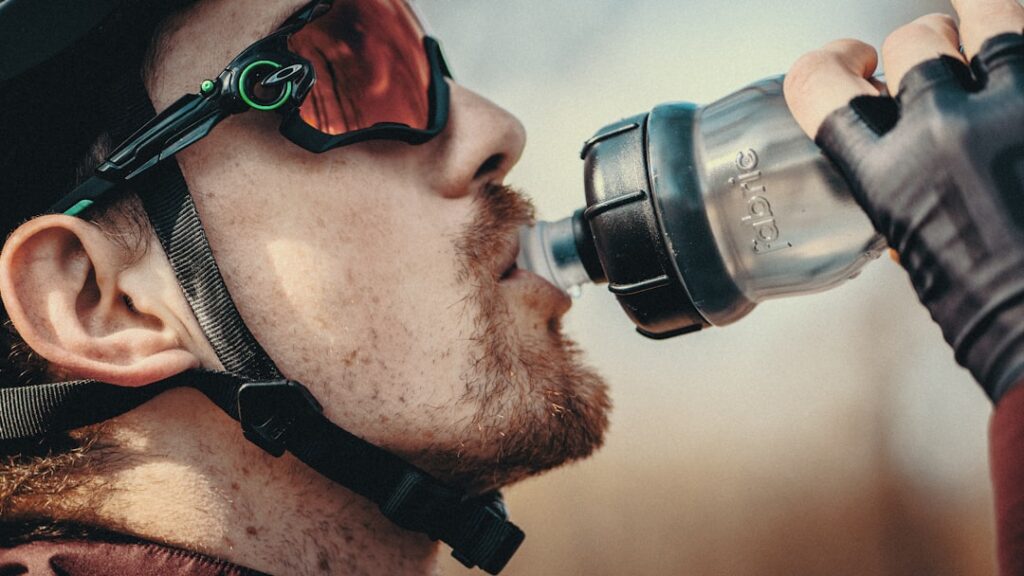
How much you actually need depends on sweat rate—see the quick calculation below if you want a personalized target.
After: measure losses and replace them wisely
Weigh yourself nude or in minimal clothing immediately before and after exercise to estimate fluid loss: each 1 kg lost ≈ 1 liter water lost. Aim to replace about 1.2–1.5 liters for every kg lost in the first 2–4 hours to account for ongoing urine and sweat losses.
- Replace sodium: include a salty snack, an electrolyte tablet, or a formulated sports drink—this speeds fluid retention and restores balance.
- Include a real-food recovery meal or drink with protein and carbs within 1–2 hours to support muscle repair and glycogen repletion.
- Monitor urine color and body weight over the next day; full restoration can take several hours depending on how much you lost and how much sodium you consumed.
How to calculate sweat rate (quick method)
- Weigh before workout (minimal clothing). Note the weight.
- Exercise for a set time (ideally 60 minutes) without drinking, or measure fluids consumed.
- Weigh immediately after. Subtract post-weight from pre-weight, add the volume drunk (in liters) and convert to ml/hr: sweat rate (ml/hr) = (weight loss kg + fluid consumed L) × 1000 ÷ duration hours.
Example: 1.0 kg weight loss during a 1‑hour run with 0.3 L drunk → (1.0 + 0.3) × 1000 = 1300 ml/hr sweat rate.
When to choose electrolytes, carbs, or plain water
Use electrolytes when sessions exceed 60–90 minutes, when you sweat heavily, or when you notice muscle cramps that respond to salt. Add carbohydrates (about 30–60 g/hour) for long endurance sessions to sustain performance.
Troubleshooting common issues
- Cramps: try modestly increasing sodium intake around workouts and ensure adequate carbohydrate if sessions are long.
- Bloating or nausea when drinking during exercise: reduce volume per sip and spread intake more frequently; avoid very cold large gulps just before intense efforts.
- Excessive thirst or dark urine despite drinking: consider medical causes or unusually high sweat losses, and consult a healthcare professional if persistent.
- Concern about overhydration (hyponatremia): do not exceed replacement targets; include sodium in drinks during long sessions rather than only drinking large volumes of plain water.
Simple sample plans
Two quick templates you can adapt:
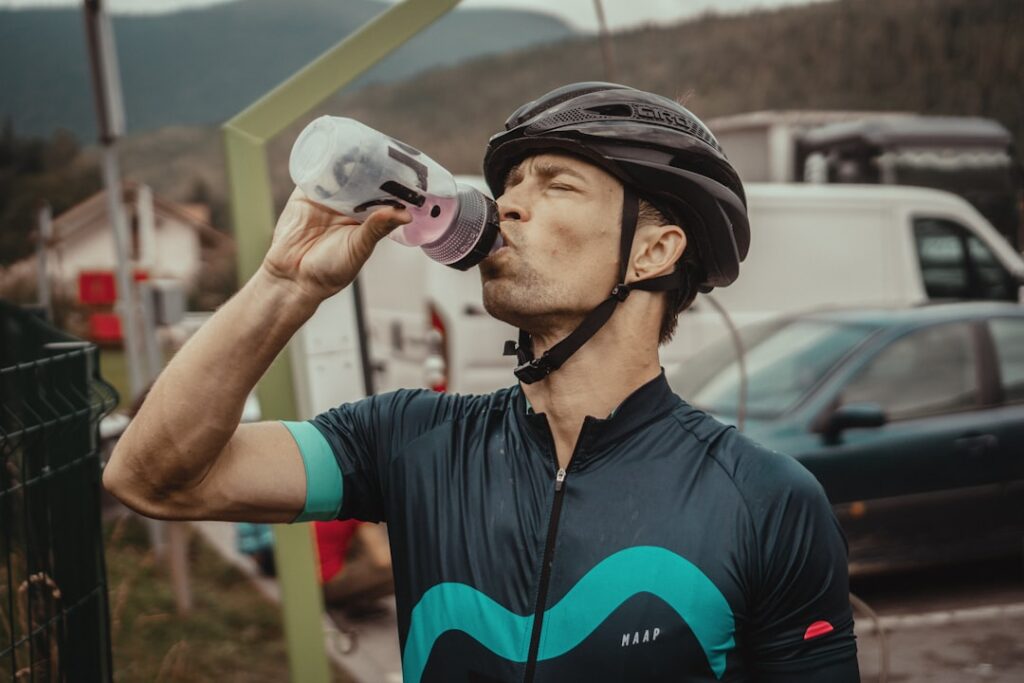
- 60-minute run (moderate): 2–4 hours before: 300–500 ml; 20–30 minutes before: 150 ml; during: water as needed, roughly 200–400 ml total; after: weigh and replace 150–300 ml per 0.25 kg lost plus a salty recovery snack.
- 2-hour hot hike: 2–4 hours