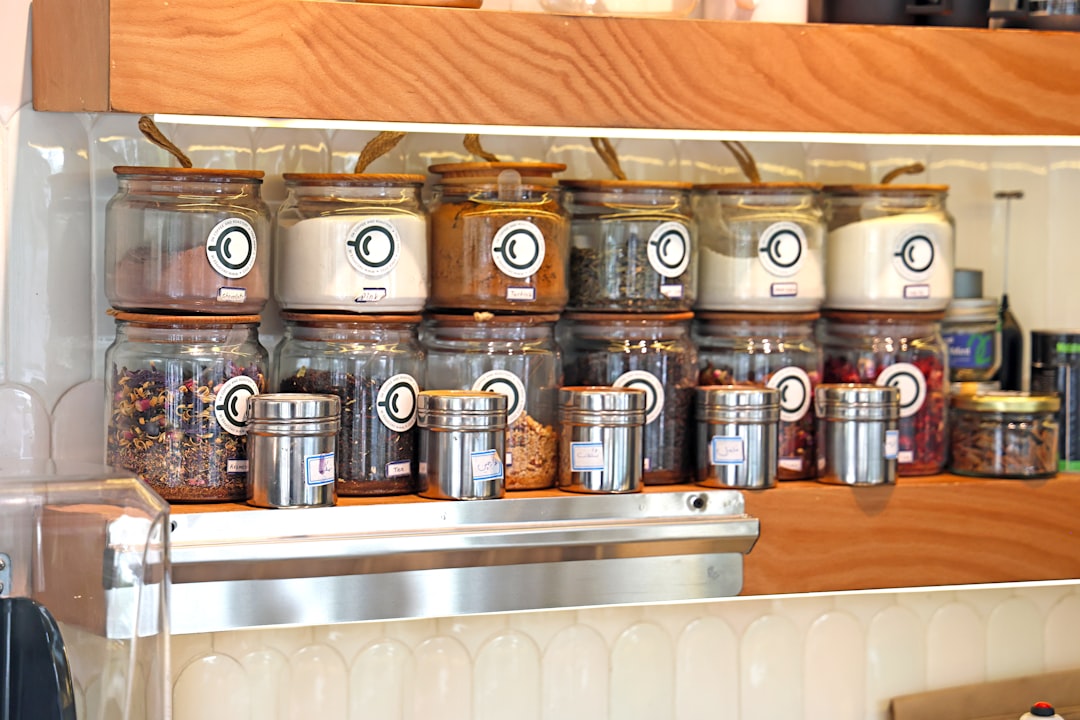
Most people think “going vegan” means replacing every product at once — a small, targeted kitchen rework is usually enough
Creating a vegan-friendly kitchen is less about throwing everything out and more about making small, practical changes that reduce animal-product cross-use and make plant-based cooking faster. Start by focusing on what you use daily: pantry staples, fridge layout, a few tools, and shopping habits. The following tips are quick wins plus a few deeper swaps that pay off every week.
Stock the pantry with reliable vegan staples
Make everyday cooking simpler by keeping a base stock of affordable, versatile items you reach for first. Store these where you can see them so they get used:
- Dry goods: brown rice, rolled oats, dried or canned beans (chickpeas, lentils), and several kinds of flour.
- Flavour building: nutritional yeast, miso paste, soy sauce/tamari, vinegars, and a couple of quality oils (olive and neutral).
- Quick proteins: canned beans, tofu, tempeh, and a plant-based protein powder for shakes or fortifying smoothies.
Use clear jars or bins and group like with like (all canned goods together, all grains together). That visual cue nudges you toward plant-based meals when you’re short on time.
Layout and labeling that prevent accidental cross-use
Many kitchens mix animal and plant ingredients because items share drawers or shelves. A few simple changes cut that friction:
- Label shelves or containers “Vegan” and “Non‑Vegan” if you still keep both kinds. Even a small sticker on a shelf reduces mistakes when cooking quickly.
- Keep vegan cooking utensils (dedicated tongs, spatula, cutting board) in one drawer or hung on a separate rack to avoid cross-contamination.
- Designate one shelf in the fridge for plant-based foods—milk, tofu, prepared vegan meals—so you reach for the vegan option first.
Place your most-used vegan staples at eye level. Out of sight often means out of mind, and front-facing items will get used more.
Smart small appliances and tools worth the space
You don’t need a huge appliance collection. Choose a couple of multifunctional tools that support plant-based cooking:
- High-speed blender: for smoothies, soups, nut milks, and sauces.
- Good knife and a stable cutting board: make vegetable prep faster and safer.
- Cast-iron or heavy-bottomed sauté pan: browns tofu and vegetables well, reducing reliance on animal-centered flavoring.
- Tofu press or weighted method: removes water quickly for firmer frying or baking.
Invest in one appliance that will be used daily (blender or good pan) rather than several niche gadgets you’ll rarely reach for.
Make the fridge and freezer vegan-first
Organize for convenience:
- Keep ready-to-eat vegan meals and chopped vegetables at eye level so they’re the easiest choice after work.
- Freeze portions of cooked beans, sauces, and plant-based burgers to avoid last-minute non-vegan choices.
- Label dates clearly—rotate older items forward to prevent waste and unnecessary takeout.
If you meal-prep, link this habit to a weekly “cook once” session: roast large trays of veg, batch-cook grains and beans, then assemble plates during the week. For more ideas on this, see our Easy Vegan Meal Prep Tips.
Reduce waste and keep composting simple
Many vegans are motivated by sustainability; composting food scraps and using compostable kitchen waste bags or liners makes this habit low-effort. Small countertop compost bins and clear routines (empty daily into an outdoor bin if you have one) keep smells and pests away.
To support that, consider compostable waste bags or drawers designed for organic waste.
Smart shopping and labeling for consistent choices
Shopping intentionally keeps your kitchen stocked with usable ingredients. A few practical tactics:
- Make a “go-to” shopping list with quantities so you replace used staples each week.
- Buy versatile items in bulk if you use them often—lentils, oats, and rice store well and are cheaper that way.
- When trying a new product, buy one small pack first to confirm you like it; this avoids cluttering shelves with unused items.
For protein options and how to evaluate powders or fortified foods, our Vegan Protein Powder Guide can help choose what fits your needs.
Minor rituals that lock in plant-based habits
Small routines make vegan cooking the default:
- Plan one “plant-first” meal per day and make it the easiest to prepare in your kitchen layout.
- Keep one favorite fast vegan meal ingredients visible (tortillas, canned beans, salsa) for nights you’re tired.
- Rotate new spices or condiments in slowly; a new staple should earn a place on the shelf by getting used three times.
With these changes, your kitchen becomes a practical, low-friction environment for plant-based cooking without a complete overhaul. Start with pantry visibility, a dedicated fridge shelf, and one useful tool, then add composting and labeling as habits take hold.
- Clear and group pantry staples into visible jars or bins.
- Label one fridge shelf and one set of utensils “Vegan.”
- Buy one multifunctional appliance you’ll use daily (blender or heavy skillet).
- Set up a small countertop compost bin with compostable bags.
- Meal-prep one plant-first dinner per week and freeze extras.
Focus on visibility, separation, and a couple of targeted purchases rather than a full kitchen reset. Small changes—labeling, a designated vegan shelf, a good blender or pan, and a simple compost routine—make plant-based cooking faster and more likely to stick.
How do I deal with family members who use non-vegan products in the shared kitchen?
Designate shared versus vegan-only zones and use clear labeling; keep vegan staples at eye level so they’re the easiest option. Small, visible separation reduces accidental use without argument.
Are special vegan cookware or utensils necessary?
No—functional cookware works for both diets. Dedicated utensils or boards help prevent cross-use and are inexpensive, but they’re optional depending on how strict you want to be.
What are the best fridge items to keep on hand for quick vegan meals?
Plant-based milks, tofu, hummus, pre-washed greens, and a jar of cooked beans make assembly fast—pair with tortillas, rice, or bread for immediate meals.
How do I start composting in a small apartment?
Use a small lidded countertop bin with compostable liners and empty it into a building compost area or municipal pickup. Baking soda in the bin and daily emptying reduce odors.
Which pantry staples help replace dairy flavors?
Nutritional yeast, miso, cashews (for creams and sauces), and plant-based milks are versatile swaps that recreate savory, creamy, and cheesy notes.