When you’re choosing between flaxseed or an algae supplement at the grocery aisle
You’ve stood there: a jar of ground flaxseed, a bag of chia, and a row of vegan omega-3 bottles. The simple question — “Do I need a supplement?” — is what this guide answers first and clearly. Short answer: vegans should prioritize plant-based omega-3 sources, and most people benefit from an algae-based EPA/DHA supplement unless they have a clear reason not to.
How to get plant-based omega-3 (quick answer)
Plant-based omega-3 primarily means eating ALA (alpha-linolenic acid) foods like flaxseed, chia, hemp, walnuts and soybean products, and, when you need direct EPA/DHA, taking an algae oil supplement. ALA is useful and healthful on its own, but the body converts only a small fraction into EPA and DHA—forms that are important for brain, eye and cell membranes. If you don’t eat fish, algae oil is the direct vegan source of EPA/DHA.
What ALA, EPA and DHA actually mean for your diet
Think of ALA as the base plant fat and EPA/DHA as the finished products your body uses. ALA-rich foods are cheap, easy to add to meals and offer other benefits (fiber, minerals), so they should be regular. But conversion from ALA to EPA/DHA is inefficient for most people, so relying on ALA alone may leave EPA/DHA lower than some people want.
Typical conversion estimates: a small percentage of ALA converts to EPA (roughly 5–10%) and only a fraction of that to DHA (often under 1–4%). Individual factors—age, sex, overall diet and genetics—change those numbers.
Food-first approach: how to include ALA daily
Practical portions that add up:
- 1–2 tablespoons ground flaxseed or chia seeds in oatmeal, smoothies or yogurt substitutes.
- 1 ounce (a small handful) of walnuts as a snack or chopped into salads.
- Hemp seeds sprinkled on toast or blended into dressings.
- Use soy products and canola oil in place of less favorable fats.
Grinding flaxseed preserves ALA; whole seeds can pass through undigested. For spreadable or baking options, add flax or hemp into recipes rather than relying only on whole nuts.
When an algae-based EPA/DHA supplement makes sense
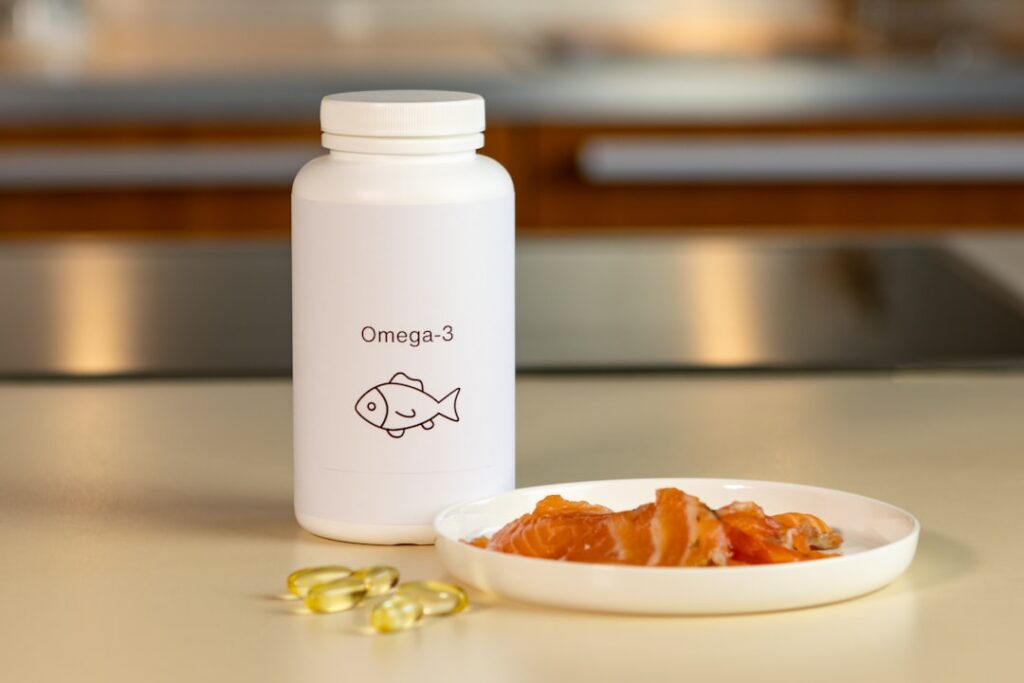
Choose an algae oil supplement if any of the following apply: you’re pregnant or breastfeeding and prefer a direct DHA/EPA source, you have a medical condition where higher EPA/DHA are recommended, you don’t regularly eat ALA-rich foods, or you want reliable, measurable EPA+DHA intake. For general adult maintenance, most vegan experts suggest getting a direct source of EPA/DHA rather than relying only on ALA.
How to pick one: look for the product’s EPA and DHA amounts per serving, a clear statement that it’s derived from microalgae, third-party testing (IFOS, USP, NSF or similar), and storage instructions (some oils are refrigerated). If you dislike capsules, algae oil liquid or gummies are options, but check label amounts—gummies often have lower EPA/DHA per piece.
Practical tips for buying and using a vegan omega-3
- Check the label for mg of EPA and DHA per serving, not just “omega-3.”
- Prefer products with third-party testing to verify purity and potency.
- Store oils away from heat and light; many bottles are best refrigerated after opening.
- If you take blood thinners or are pregnant, discuss dosing with a clinician before starting any supplement.
Common trade-offs and special cases
Trade-offs to consider: whole-food ALA gives fiber and micronutrients; algae supplements give reliable DHA/EPA without animal products. Some people prefer start-to-finish food strategies (more ALA, less supplement); others prefer a small algae supplement plus ALA foods for redundancy. Pregnant and breastfeeding people often choose DHA supplements specifically because fetal and infant development relies on DHA.
Quick shopping checklist
- Read the supplement label for EPA and DHA mg per serving.
- Choose microalgae-derived sources labeled vegan.
- Look for third-party testing seals or a batch certificate.
- Prefer products with clear storage and expiry dates.
- Do I eat ALA-rich foods most days (flax, chia, hemp, walnuts)?
- Do I need direct EPA/DHA for pregnancy, health conditions, or low ALA intake?
- Does the supplement list mg of EPA and DHA and say “microalgae”?
- Is there third-party testing or a lab certificate available?
- Can I store it correctly (some oils need refrigeration)?
Prioritize ALA-containing foods daily and use an algae-based EPA/DHA supplement when you want reliable intake or fit a higher-need category. Check labels for EPA/DHA amounts and third-party testing to choose a quality vegan product.
Flaxseed supplies ALA, which is beneficial, but the body converts only a small amount to EPA/DHA. Relying solely on flaxseed may not give consistent EPA/DHA levels for everyone.
Yes—algae oil comes from microalgae (not fish) and is considered a vegan source of EPA and DHA; check the label to confirm vegan certification if that matters.
Guidelines vary; many health organizations recommend a combined EPA+DHA target for adults in the low hundreds of milligrams daily. Ask your clinician for personalized advice based on health and life stage.</