Start with one clear goal: improve nightly rest and daytime repair
Most people treat sleep like a switch: stay up late, try to catch up on weekends, and expect the body to fix itself. A purposeful sleep and recovery routine treats rest as the other half of training. The aim is simple: help you fall asleep more reliably, sleep deeper, and speed daily muscle and nervous-system recovery without adding complexity.
Build a sustainable sleep and recovery routine
A routine that lasts is small, consistent, and prioritized. Here’s a practical flow you can adapt each evening rather than a long list of new chores: 1) set a consistent sleep window, 2) wind down with low-stimulus activities, 3) address basic recovery needs (hydration, small protein/carbs if needed, light mobility), and 4) optimize the sleep environment. Each item earns a place because it measurably affects sleep quality or recovery; skip the extras until the basics are solid.
Make the bedroom do the heavy lifting
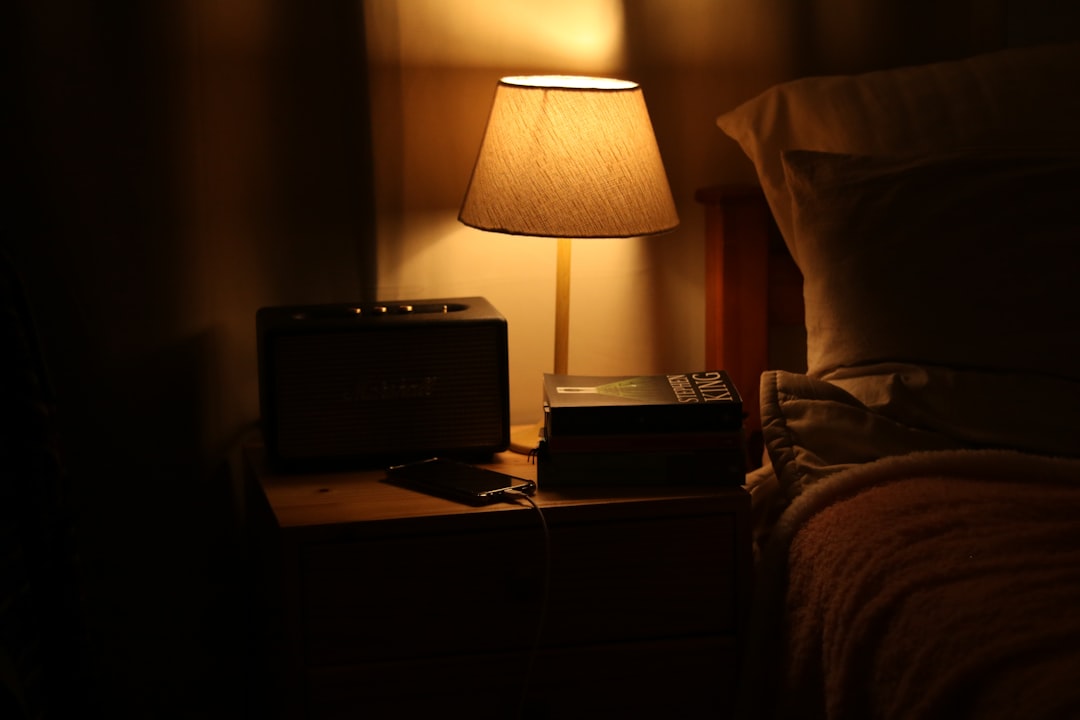
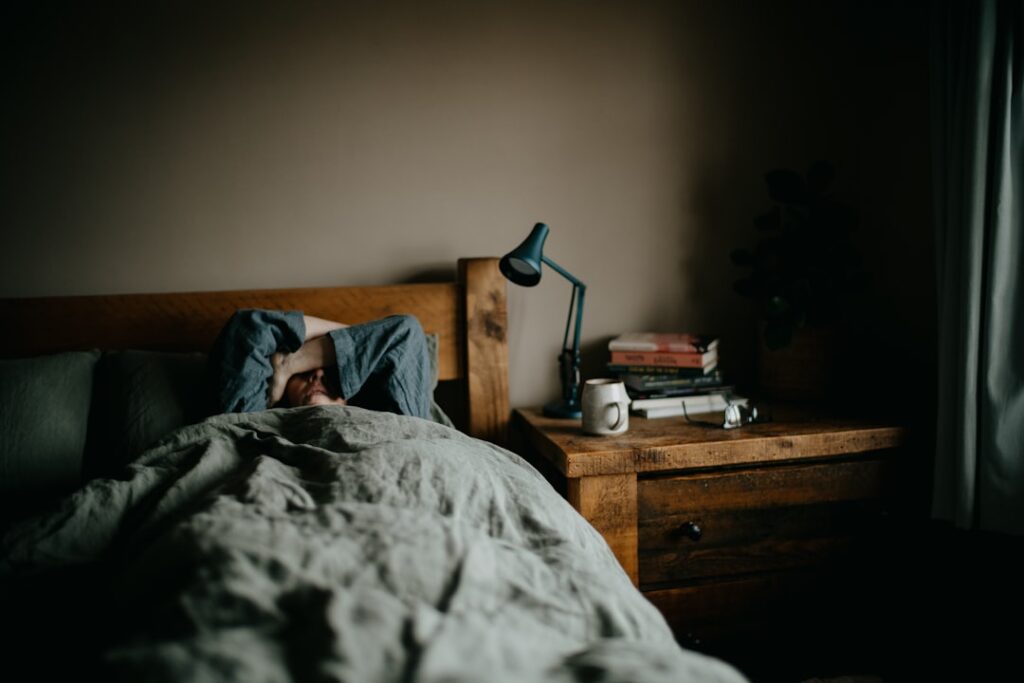
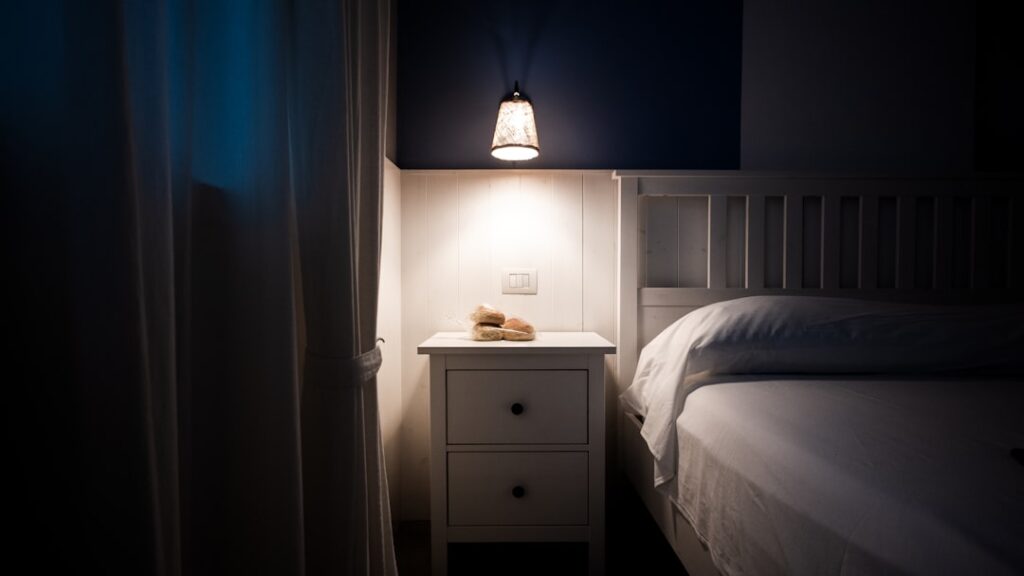
The sleep environment is the biggest low-effort win. Keep the room cool (about 60–68°F/15–20°C if possible), dark (blackout curtains or an eye mask), and quiet (earplugs or white noise). Reserve the bed for sleep and sex; avoid working or late-night scrolling there—your brain links the bed to sleep faster when it’s not doing other tasks.
Wind-down habits that actually work
- 60–90 minutes before bed: dim lights, stop intense exercise and heavy work, switch to low-stimulus activities—reading, gentle stretching, or a warm shower.
- 30–45 minutes: hydrate lightly and, if hungry after training, eat a small recovery snack with protein and some carbs (e.g., plant-based yogurt with banana or a scoop of protein powder). This supports muscle repair without spiking digestion.
- Breathwork and mobility: 5–10 minutes of diaphragmatic breathing or simple mobility (hip/shoulder rolls) calms the nervous system and reduces tension that can carry into sleep.
When to skip an extra habit
If adding one more step makes you anxious or late, drop it. Better to do a two-item routine consistently (lights off on time + 10 minutes of breathing) than a long ritual you never finish.
Timing training and naps around sleep
Late-night high-intensity training can delay melatonin onset for some people. If evening workouts are your only option, finish hard sessions at least 90 minutes before bed and use a cool-down that includes mobility and breathing. Short naps (15–30 minutes) can refresh without impairing nighttime sleep; avoid naps after 3pm if you struggle falling asleep.
Simple recovery tools and when to use them
Not every tool is necessary—pick one that matches your common issues. For muscle soreness after tough sessions, a percussion massage gun helps increase blood flow and reduce stiffness in targeted areas; foam rolling or an electric muscle roller are lower-cost alternatives. For general relaxation, an essential oil diffuser with calming scents can support the wind-down step (use sparingly if you’re scent-sensitive).
If you find that simple stretching and sleep hygiene aren’t enough, a short course of a sleep-promoting supplement can help reset patterns when used correctly. Use supplements as a brief bridge while you build habits—not as a permanent fix.
When you decide to try a supplement, consider timing (melatonin is typically taken 30–60 minutes before bed) and start with the lowest effective dose. For occasional use to re-establish a schedule, a melatonin product may be useful.
Practical sample beginner evening routine (adapt to your life)
- 8:30–9:00 pm: Stop heavy screens or shift to night mode; dim lights.
- 9:00 pm: Light snack if needed; 5–10 minutes foam rolling or gentle stretching.
- 9:10–9:20 pm: 5 minutes diaphragmatic breathing or guided relaxation.
- 9:20–9:30 pm: Warm shower, turn on diffuser (optional), set room to cool temp.
- 9:30–10:00 pm: In bed, lights out by your target sleep time; keep phone face-down or in Do Not Disturb.
Keep it simple and measure what matters
Track two metrics for 2–4 weeks: consistent sleep window (lights-out time within ±30 minutes) and how you feel the next day (energy, soreness, mood). If sleep duration is fine but you wake unrefreshed, focus on reducing late-night stimulation and adding a brief recovery practice after workouts. If soreness is the main issue, prioritize targeted tools like a percussion massager or nightly gentle mobility.
For more specific recovery tactics after training, see our guide on post-workout recovery tips, and if nutrition timing is your question, read what to eat before and after a workout on a vegan diet.
- Choose a consistent sleep window and stick to it for 2–4 weeks.
- Cool, dark, and quiet bedroom: test one change (blackout curtains or cooler temp).
- Plan a 20–30 minute wind-down: light snack, stretching, breathwork.
- Pick one recovery tool (massage, foam roll) and use it consistently after tough sessions.
- Limit late-night intense workouts or finish them 90+ minutes before bed.
- Use supplements like melatonin only short-term while building habits.
Focus on a short, repeatable evening flow: consistent sleep time, a low-stimulus wind-down, basic recovery (hydration, mini mobility), and a sleep-friendly bedroom. Small, steady changes beat occasional overhauls.
How long before bed should I stop exercising?
Finish intense workouts at least 60–90 minutes before your planned bedtime to allow heart rate and core temperature to drop; gentle stretching or mobility is fine closer to sleep.
Will taking melatonin every night help?
Melatonin can be helpful short-term to reset a schedule, but regular nightly use should be discussed with a clinician—focus first on habits and environment.
Can a massage gun replace stretching?
Massage tools and stretching serve different purposes: percussion improves local circulation and soreness; stretching maintains range of motion. Use both when possible, or prioritize the one that addresses your main issue.
What if I still wake tired despite good sleep habits?
Track sleep timing and daytime symptoms for a few weeks. Persistent non-restorative sleep warrants a check for sleep disorders or medical issues—talk to a healthcare provider if problems continue.