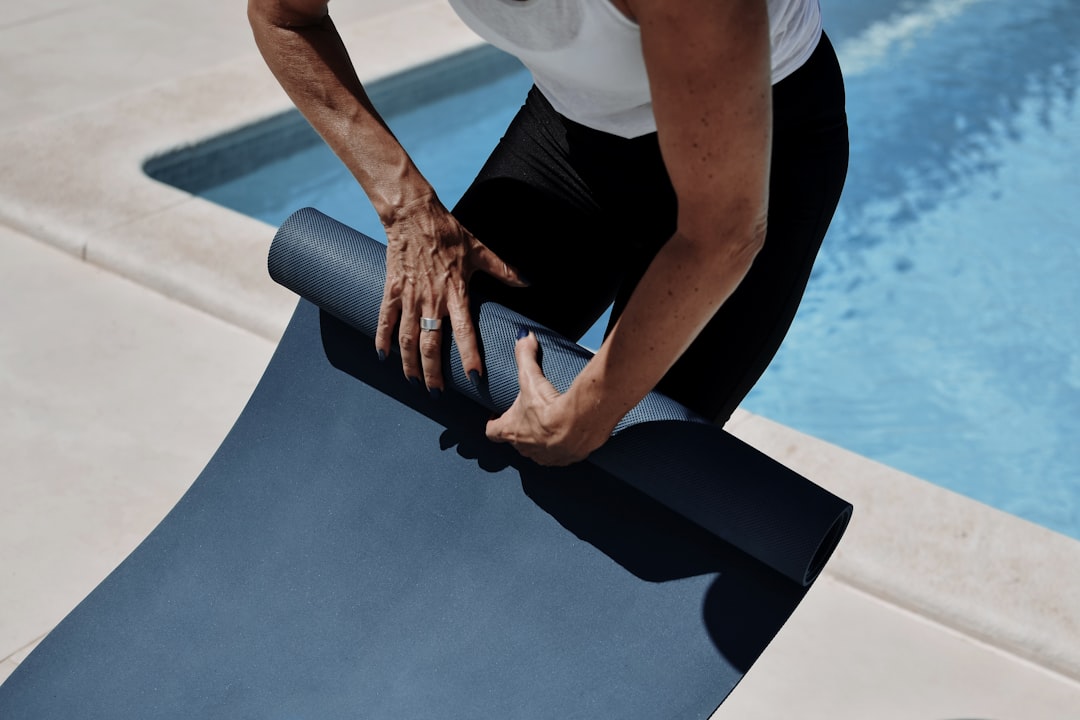
When your session ends the instinct is to chase fast fixes: cold baths, endless stretching, or a giant high-protein shake. What actually matters is a short list of evidence-backed habits you can repeat. Ignore flashy recovery trends unless they solve a real problem (severe pain, recurring injury, or poor sleep). Focus on simple, consistent steps instead.
post-workout recovery tips: quick wins you can do within the hour
Start with these actions right after most workouts. They’re low-effort and give the biggest return.
- Hydrate deliberately. Drink water within 15–30 minutes after exercise. If you sweated heavily or trained over an hour, include an electrolyte source (sports drink or a salted snack).
- Have a balanced snack within 45–90 minutes. Aim for protein plus a little carbohydrate—e.g., a vegan protein shake and a banana or hummus and pita. That supports muscle repair and glycogen replenishment. For more specific ideas, see our guide on what to eat before and after a workout on a vegan diet.
- Cooldown: 5–10 minutes of light movement. Walk, easy cycling, or slow bodyweight movements help clear metabolites and make you feel better than stopping abruptly.
Move—don’t stretch hard immediately
A gentle mobility routine beats aggressive static stretching right after intense lifting. Focus on joint movement patterns and dynamic mobility for the areas you used most. Save deep static stretching for a separate flexibility session if you want to improve range long-term.
Use low-effort tools wisely
Self-massage and percussion tools can reduce tension and speed perceived recovery when used for 2–5 minutes per muscle group. They’re not mandatory but useful after heavy sessions or long standing work days.

For a practical option that suits many routines, an electric muscle roller can provide quick, targeted relief on sore areas without much setup.
Deeper-priority habits that change how you recover over weeks
These are not immediate fixes but the habits that prevent chronic fatigue and reduce how often recovery fails.
Sleep first
Quality sleep is the single biggest long-term recovery lever. Aim for consistent sleep hours, and treat missed sleep like a training stress that requires lighter loads the next day.
Control training load and schedule active recovery
Rotate hard sessions with easy days: low-intensity steady-state cardio, mobility work, or a relaxed yoga flow. This keeps blood moving, preserves fitness, and reduces DOMS accumulation. If you’re unsure how to schedule, swapping one high-intensity day for an active recovery day each week is an easy rule.
Small targeted mobility routines
Two 8–10 minute mobility sessions per week targeted to hips, thoracic spine, and ankles pays off more than 30 minutes of random stretching. Follow movement patterns you struggle with in training.
Manage inflammation sensibly—ice vs heat
Use ice for sudden injuries or acute swelling. Heat before activity or on tight muscles can increase circulation and ease stiffness. Neither is a cure-all; use them as short, practical aids.
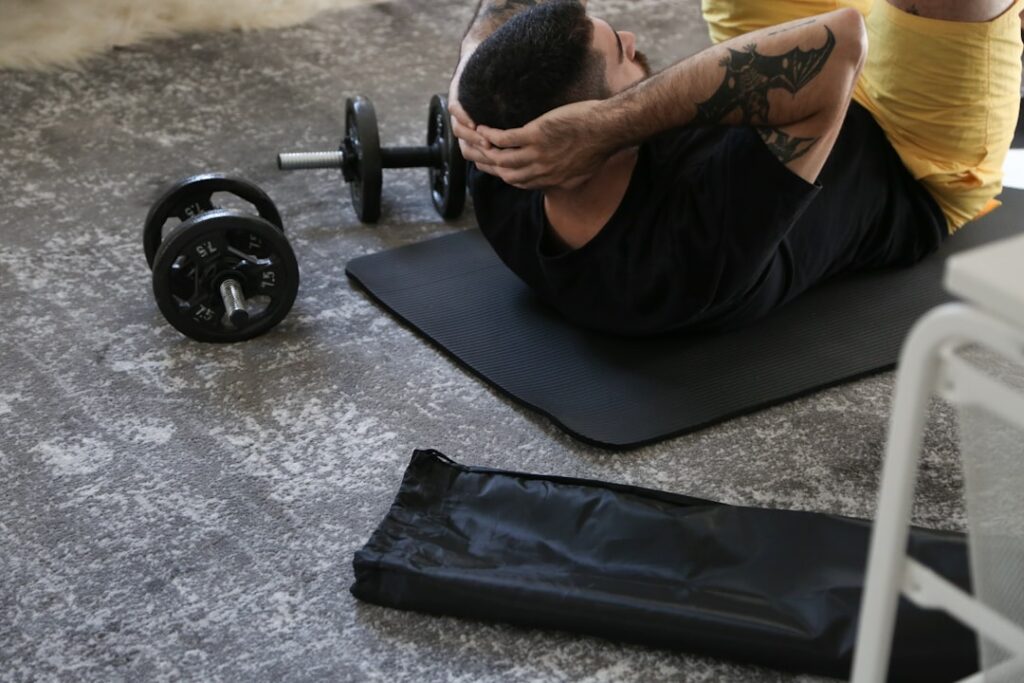
When to use supplements, gadgets, or longer therapies
Supplements and tools are situational. A vegan protein powder can cover a post-workout protein need when whole-food options aren’t available; consider sleep hygiene and consistent meals first. Massage guns, compression sleeves, and electric rollers are best when they solve a specific complaint—travel soreness, tight calves, or chronic tension—not as daily rituals you depend on.
For targeted guidance on loading, equipment, and home setups that reduce recovery time, check our essential home workout equipment guide and browse recovery tools in our Workout Recovery Equipment category.
Simple decisions that make recovery consistent
- Plan one easy recovery habit you will do after every workout this week (drink + snack, 5-min cooldown, or 2-min foam roll).
- Track sleep and treat two poor nights as a sign to reduce load the next day.
- Use a massage or percussion tool only to relieve tight spots—don’t chase a daily fix if it’s not needed.
- Drink 250–500 mL water within 30 minutes
- Consume 15–25 g of protein with carbs within 45–90 minutes
- Do a 5–10 minute active cooldown
- Do 2 short mobility sessions weekly for problem joints
- Reserve ice for acute swelling; use heat for pre-activity tightness
- Reduce training load after poor sleep or persistent soreness
Start with hydration, a small protein-plus-carb snack, and a brief cooldown—those three move the needle most. Layer in regular sleep, sensible load planning, and targeted mobility; use gadgets to address specific complaints rather than as daily crutches.
[AZ