When you’re juggling work, groceries and a quick evening lift
It’s 6:15 p.m., you’ve got 45 minutes before sunset and a hunger headache that won’t wait. You reach for the quickest reliable combo: a ready shaker, a measured scoop of something that actually mixes, and a small kit of bands in your trunk so you can train at the park. Those everyday choices are the reason I assembled this list of vegan fitness essentials — the practical, repeatable products and small routines that make training, nutrition, and recovery simple and consistent.
Vegan fitness essentials I rely on for training, nutrition and wellness
Below are the items I use most weeks. I’ve grouped them by purpose so you can pick what your current priorities are: build strength, save time on food, or minimize travel friction.
Protein powder that doubles as a meal
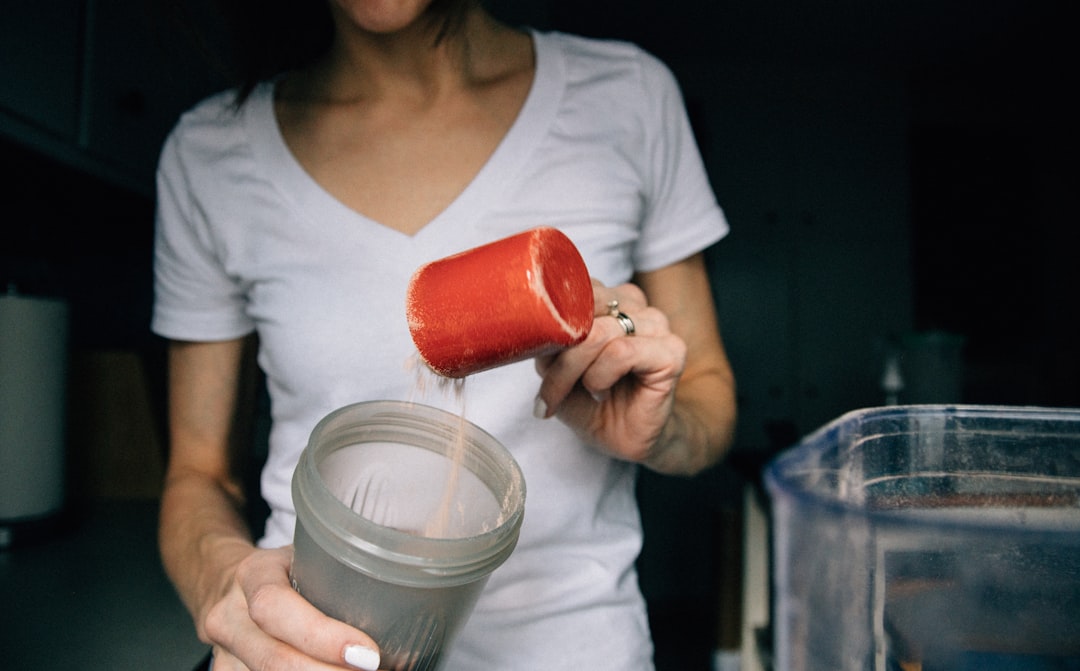
Why I use it: a smooth plant protein gives me a fast 20–25 g of protein after workouts and becomes a full meal when blended with fruit, oats, or nut butter. Look for a blend with pea/rice or multiple plant proteins to get a complete amino profile and minimal chalkiness.
How I use it: 1 scoop with 8–12 oz water immediately after lifting for convenience; 1 scoop with 1 cup oat milk, banana, and a tablespoon of nut butter for a 400–500 kcal recovery meal on heavy training days. If you travel, pre-portion scoops into small zip bags.

Low-stress pre-workout and intra-workout options
For early morning or long cardio days I use a caffeine-based pre-workout (small doses, tested on easy sessions first) or a BCAA/amino mix when I’m doing fasted training. The goal isn’t “more” stimulation but predictable energy and fewer jitters. Try a half-dose first to find tolerance.
Resistance bands and one piece of compact kit
Resistance bands are my go-to when I can’t access a gym: they’re compact, cover full-body movement patterns, and are easy to pair with a single kettlebell or a suspension strap for extra variety. Keep a light and heavy band in your bag and a medium band at home for quick circuits.
Practical gear: a gym bag with compartments, a reliable shaker, and a simple scale
A roomy gym bag with a separate shoes compartment stops sweat and snacks from mixing. A good shaker with a wide mouth and a mesh ball saves grinding. A digital food scale helps with consistent portions when you’re dialing calories or tracking macros for performance phases.
Meal-prep basics and containers that stack
Meal prep is less about elaborate recipes than consistent portions. I keep 3–5 stackable containers sized for my recovery meals and a few 16–20 oz reusable bottles for shakes and smoothies. When short on time, heat a base grain, add a plant protein, and pack greens — it covers nutrients and satiety.
Recovery and daily wellness items I actually use
Recovery starts with sleep, hydration and small supports: a simple vegan multivitamin (for gaps like B12 or D), topical magnesium or an Epsom soak after long legs days, and a natural deodorant I don’t have to baby-sit. If you compete, consider third-party-tested supplements to avoid banned-ingredient risk.
Tools that save you time and stress
A wellness planner or training log keeps weekly volume realistic and reminds me when to deload. I use a simple checklist each Sunday: plan three training days, two protein-forward meals per day, and one mobility session. Small consistency beats occasional long sessions.
How to choose what to buy first
Decide by the friction point in your week. If you miss post-workout nutrition, start with a protein or a meal replacement shake. If getting to training is the problem, invest in portable gear (bands, a dependable gym bag). If sleep and muscle soreness slow you down, prioritize recovery aids like magnesium or an Epsom salt soak.
For shopping inspiration and specifics about pre/post workout meals and timing, see this guide on what to eat before and after a workout on a vegan diet. If you’re building a home setup, this home workout equipment guide pairs well with the compact gear I described.
- Identify your biggest weekly friction: nutrition, training access, or recovery.
- Choose one multi-use product (protein powder or bands) before buying several single-purpose items.
- Check labels for “vegan” and any third-party testing if you compete.
- Pre-portion servings for travel or busy days to cut friction to zero.
- Schedule one weekly planning session in a wellness planner or app.
Start with low-friction, high-utility items: a reliable plant protein that you actually like, a compact resistance option, and one recovery habit you’ll keep. Those three cover most training, nutrition, and wellness needs without clutter.
Which vegan protein powder is best for muscle recovery?
Pick a blend with multiple plant proteins (pea, rice, hemp) that provides ~20–25 g protein per scoop and mixes smoothly; use it post-workout or as part of a larger meal to support recovery.
Are resistance bands enough for strength gains?
Yes for many goals. Bands offer progressive tension for compound movements; pair them with heavier loads or increased volume for continued progress.
How do I avoid banned ingredients in supplements?
Choose products labeled third-party tested or certified by a recognized body; keep receipts and batch numbers if you compete.
What small recovery habit makes the biggest difference?
Consistent sleep and daily mobility or light stretching—10 minutes a day—often yields bigger returns than sporadic expensive therapies.